
Septic Tank Shock Treatments at Home: Gentle Fixes for a System in Trouble
The first time a septic system backs up, it’s usually frightening. Toilets start making strange noises like gurgling, Sinks are draining very slow and often times there is an awful smelling of sewers that seems to be lingering in the home. Quickly searching the internet reveals products with bold claims that promise to quickly solve all problems with your septic tank using a “septic tank shock treatment“.
It is natural to want to believe that just one powerful product can save the day, especially if your funds are limited or you fear a large repair bill. You are not alone. Many homeowners reach for a “shock treatment” when they notice standing water in their yard, smell sewage, or notice the flow of water from the drains are slowing down every week.
This guide will walk through what “septic tank shock treatments” are, when they may work, when they won’t, and what safer alternatives you have available. If you’re weighing a shock dose right now, our companion guide on whether a septic system shock can fix your tank is worth reading first. The purpose is to help you protect your home, budget, and mental well-being.
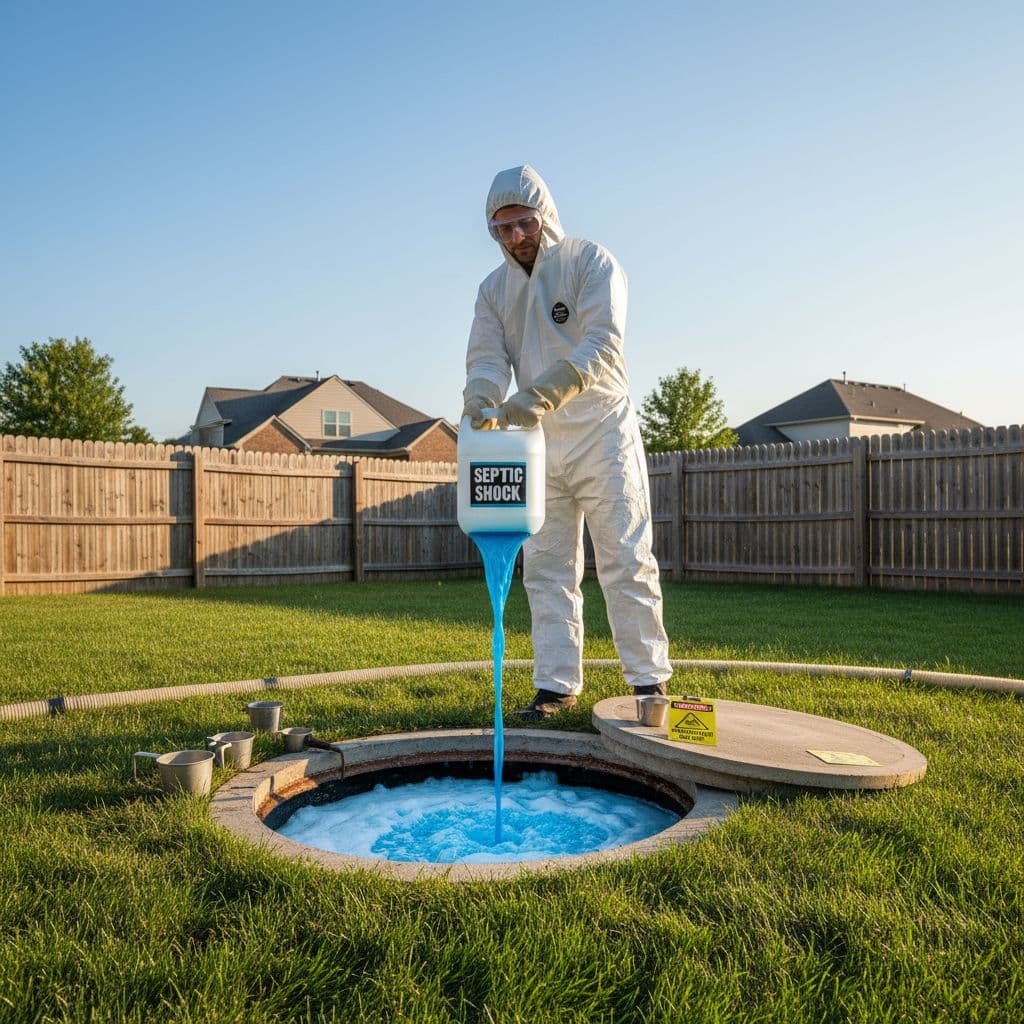
What Are Septic Tank Shock Treatments and When Are They Used?
Simple explanation of septic tank shock treatments
Septic tank shock treatments are chemicals added to a septic system when you think your system may be overloaded or malfunctioning. This can be compared to a large dose of medicine as opposed to a small amount of maintenance medicine taken on an ongoing basis.
There are generally two categories for these products:
- 1. Chemical-based products (e.g., caustic cleaners; acids; strong bases) – Many claim to clear scum, break up blockages, or open up a drainfield.2. Bacteria/Enzymes – In high concentrations, many are bacterial or enzymatic in nature and claim to increase the rate at which organic material breaks down within the tank.
Both types of products rely upon speed and provide a quick fix, rather than providing a long-term maintenance benefit to the system. This is distinctly different from regularly adding low-dose amounts of septic additives to aid in the development of beneficial bacteria in the system. The shock treatments provide a rapid kick to the system, rather than a steady flow of nutrients.
Common signs people look for a shock treatment
Many homeowners are oblivious to their septic tanks until something seems “off”. At this point the indicators begin to add up.
Homeowners may seek out “shock” treatments once they become aware of the following:
- When flushing the toilet results in gurgling sounds coming from the toilet in multiple bathrooms.
- When drains in sinks, bathtubs and/or showers throughout the home slow down and stop draining properly; as opposed to one single clogged drain.
- A foul odor develops inside the home, near an individual’s drains and/or near the septic tank and/or drainfield.
- Yard wetness (sometimes accompanied by standing water) along with a spongy or bad smelling area in the yard above the drainfield.
- Raw sewage backs-up into tubs/showers/and/or basement floor drain.
Indicators such as these can cause stress and embarrassment for homeowners who wish to resolve their problems. Many individuals hope that the issues they are experiencing are merely caused by a lack of bacteria in their septic system and/or a minor clog.
However, most of the time the aforementioned indicators indicate a serious issue exists within the homeowner’s septic system (i.e., a clogged outlet baffle, a cracked pipe, a full tank that requires pumping, etc.) or drainfield and in this case, additional products will not remedy the visual and olfactory evidence that exist.
Regular septic maintenance vs shock treatments
Basic routine maintenance for septic tanks is all about normalcy, not emergency response. The main forms of maintenance include:
- Regularly emptying (pumping) the tank, typically every three to five years depending upon usage.
- Water conservation to avoid overloading the system.
- Removal of grease, disposable wipes and trash from the drainage lines.
- Use of mild cleaning agents that will not harm beneficial bacteria.
Proper maintenance removes the day-to-day demands on the tank while keeping solids at a level where they do not become overwhelming. In doing so it prevents a large number of the emergencies that prompt consumers to seek relief through septic shock treatments. For a fuller homeowner guide to routine care, see our septic tank maintenance guide.
On the other hand, septic tank shock treatments is most commonly a “last resort” measure for those who have problems with their tanks; shock treatment is most often an alternative to pumping or repairing, and can be counterproductive if the tank has become overly full as it will disturb the settled solids in the tank and cause them to flow into the drain field and further complicate the problem.

Do Septic Tank Shock Treatments Really Work?
When septic tank shock treatments might help a struggling system
Bacterial type of Septic Tank Shock Treatments will occasionally have a minor effect in some instances.
When there is an abundance of beneficial bacteria in the septic tank, using a high concentration of bacteria/ enzyme type products may assist in getting some activity going again. When this happens it could be as a result of:
- Using an excessive amount of bleach or disinfectants.
- Using large amounts of chemical cleaners down the drains for a long period of time (e.g., multiple days).
- A long vacant dwelling where the system has been inactive for months.
In all three of these examples, a very concentrated dose of bacteria and enzymes may possibly start the biological process breaking down organic matter in the tank again, which would help reduce odor and create less sludge over time.
It is also important to maintain a reasonable expectation for these types of treatments as well. These types of products generally provide a “booster” to the natural processes occurring in the tank. They do not magically repair a clog in a drain field or evaporate water from a yard saturated with sewage. If a person uses these types of treatments, at best they will support the return of normal biologic processes if those biologic processes were damaged.
Why shock treatments cannot fix a failed drainfield
Understanding the limits of chemical treatments helps to understand how they work.
Liquid waste from the septic system tank leaves behind solid matter as it travels through the drainfield to be filtered by the soil. The soil cleanses the wastewater as bacteria act upon the pollutants prior to reaching groundwater.
However, the soil surrounding the drainfield may become congested with solid matter, grease, or layers of sludge-like biological material (biomat) over time. Excessive water usage, lack of maintenance, or vehicular traffic over the drainfield accelerates the process.
Once either the soil becomes congested or the drainfield becomes saturated, significant problems begin to appear:
- Drainage of standing water on your property.
- Pungent odors of sewage emanating from the area where the drainfield lies.
- Backup of sewage into the home while using plumbing.
Chemicals, or probiotics, poured into the tank will not restore soil composition, will not dissolve excess grease in the drainfield, nor extract water from saturated soils.
When a drainfield is malfunctioning, the actual solutions include: pumping, repairing, resting, or, in some cases, replacing portions, or all, of the drainfield. While it is both costly and frustrating; it is honest.
Risks and limits of septic shock chemicals and additives
Septic shock products can be impressive sounding and even scary in terms of what they claim to do (clearing clogs, cleaning pipes, etc.). The truth however is much more dangerous than you might think.
The harsh shock products listed above:
- Can kill off the good bacteria in your septic system that will allow it to function properly.
- Can cause corrosion to the pipes in your septic system or damage some types of tank materials.
- May stir up solids in your septic tank and force them out into the drain field at an accelerated rate.
Even the less severe bacterial shock treatments, while generally considered safe, may also be a waste of money if the actual problem lies with a broken pipe, crushed line, root growth from trees, or a drain field that has been overwhelmed by water.
Septic tank shock treatments cannot replace regular septic tank pumping. With good bacteria present in your septic tank, sludge and scum will continue to develop and eventually will require removal via a pump truck. If you need help planning your septic tank pumping schedules, that is often the best place to start.
There are many reliable septic experts that advise against using high-dose chemical “shock” products. Shock products do not have magic power, so their performance on labels does not always occur as expected.
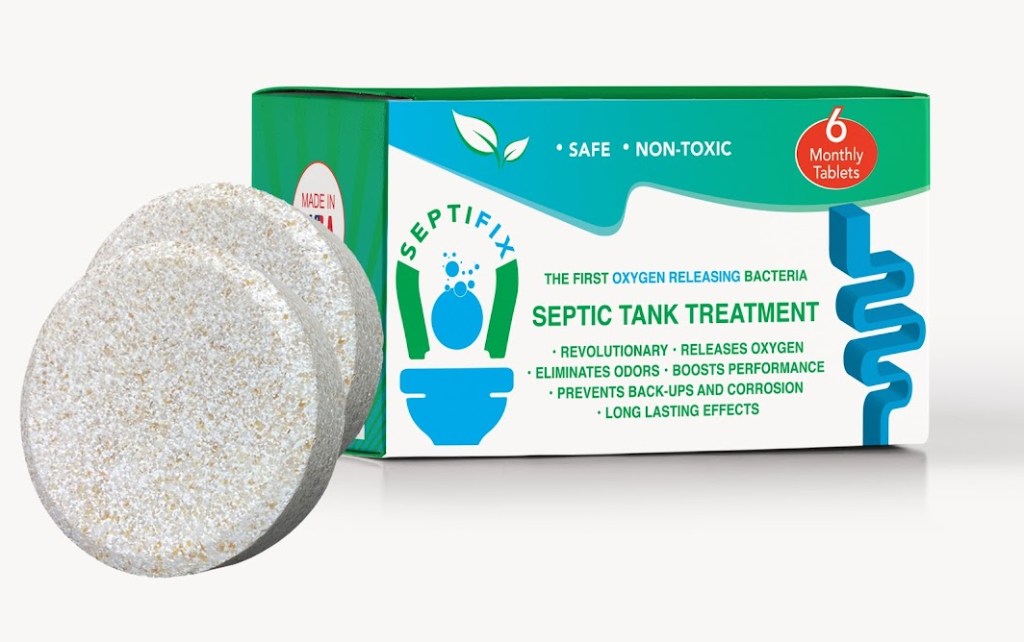
Septic Tank Shock Treatment Products and Safer Alternatives
Types of septic tank shock treatment products you will see
When you research online or walk into a local hardware store, you will find many different types of products to treat your septic tanks, which fall into three categories:
- Chemical-based shock treatment productsThey contain a very aggressive type of chemical (acidic or alkaline) that dissolves organic debris, breaks up grease and other matter, unclog drains, and restore drainage fields. However, the chemicals can destroy beneficial bacteria in the tank, damage pipes and other components of your plumbing system.
- Bacterial/Enzyme Shock Treatment Products (High Dose)These products deliver a massive amount of bacteria and enzymes into a single product application. These products are supposed to rapidly restore healthy amounts of bacteria in the septic tank, and assist in breaking down organic waste within the septic tank. These products typically operate primarily within the confines of the tank and are less likely to affect the soil beneath it.
- Combo ProductsThese products combine bacteria with some form of detergent or mild cleaning agent. The purpose behind combo products is to help clean out your pipes while providing support to beneficial bacteria. As combo products are intended to provide two functions simultaneously, results from using these products can be variable depending upon whether the cleaning portion of the product causes undue stress to the bacteria, particularly when the dosage is excessive.
Labels often make big promises about fixing slow drains or saving a failed system. It helps to remember that additives cannot repair broken parts or replace soil.
How to choose safer septic tank additives (and when to skip them)
If you continue to have an interest in additives, you can take cautionary steps while being good to your body at the same time.
Simple guidelines:
- Be leery of products that claim to dissolve solid matter in the drain field or deliver rapid results. Any such claims indicate the product may contain some hazardous ingredients.
- Use nothing that is labeled “very corrosive” or “extremely strong.” The products in these categories will do more damage than benefit.
- Comply with all local regulations and any recommendations made by your septic service provider.
If you wish to use an additive, the least risk will occur when using a mild bacterial additive (as a supplement) rather than an emergency fix. The additive should be considered similar to a vitamin supplement for your digestive tract and not a surgical fix.
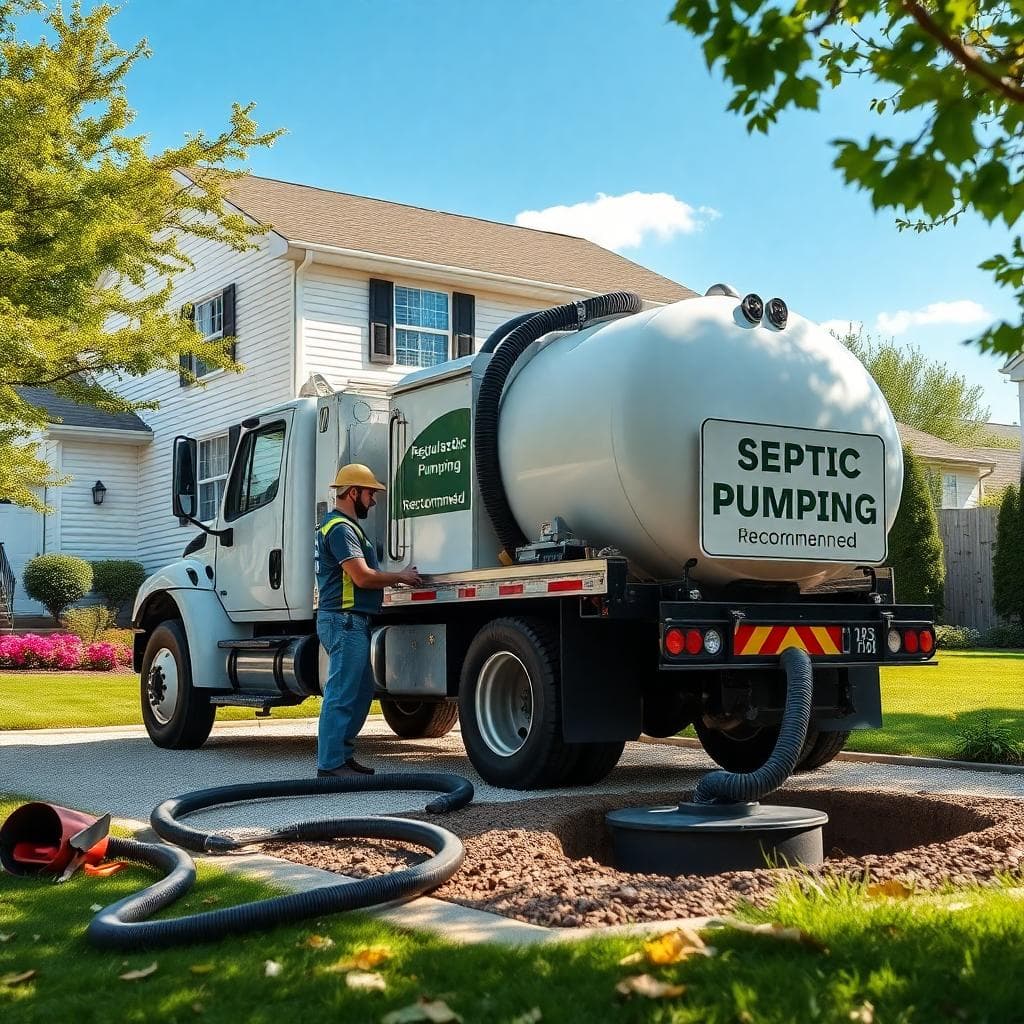
Better long term solutions than relying on shock treatments
The most effective way to prevent septic tank “shock” treatments long-term is to be gentle and consistent with how you treat your system.
Some helpful practices that will help include:
- Pumping your septic system as regularly as possible (based upon your family’s size and usage) and
- Repairing leaks in pipes or from the faucet to stop overloading the system each day.
- Spacing out washing machine/laundry use throughout the week.
- Not flushing disposable wipes, sanitary products, paper towels, etc., and grease down the drain.
- Keeping vehicles off the drain field area and keeping trees with deep root systems away from the area.
If you follow these easy actions you will continue to feed your tanks’ existing beneficial bacteria and when the bacteria thrive, your system can easily manage the normal flow of waste through the system, and you won’t have the same sense of urgency to purchase shock treatments.
Also, by maintaining a log of pumping dates, inspections, and repairs, you’ll be able to track patterns of what is happening within your system and identify early warning signs of problems and take action sooner than if you were waiting until something gets to the point of being at a crisis level.
Key Takeaways
- Septic Tank Shock Treatments are large dose chemical, bacterial or enzyme type products that are sold as being able to fix problems with septic systems.
- Gurgling Toilets, Slow Drains, Bad Odors, Wet Spots & Sewage Backups typically indicate an over-flowing tank, plugged pipes, a damaged baffle in the tank, or damage to the drain field.
- Typically, these types of symptoms cannot be treated by adding a treatment product.
- Chemical shock treatments can cause harm to good bacteria living within the tank; can destroy parts of the septic system; can contaminate soil surrounding the drain field and/or pollute ground water.
- Regular pumping (typically every three to five years depending upon the households water usage and tank size) is much more important than shock treatments.
- To help protect your system use water conservation techniques; do not dispose of grease or paper towels into the sewer system; and use mild, septic-safe cleaning supplies.
- In the event of a sewage backup or you see standing water around the drain field area immediately reduce your water consumption, keep people and animals out of this area, and call a competent, licensed septic service technician.
Conclusion
When your septic system fails with back-ups and foul odors, “septic tank shock treatments” may seem like an attractive option to get things going again. These products contain additives (chemical and/or biological) that promise to provide a quick fix to a tank in trouble.
Some additives will temporarily assist within the tank if the bacteria has been damaged, or if the odor problem is severe. However, they will NOT correct a failing drain field, a broken pipe, or a system that is FULL and due for pumping. Any additional product applied will only delay the need to solve the actual problem.
If you do decide to apply additives to your system, it would be better to opt for gentler, bacteria-based solutions and look upon them as supportive tools rather than the primary treatment. Spend the majority of your time and money on proper maintenance, wise water usage, and timely pumping. ‘
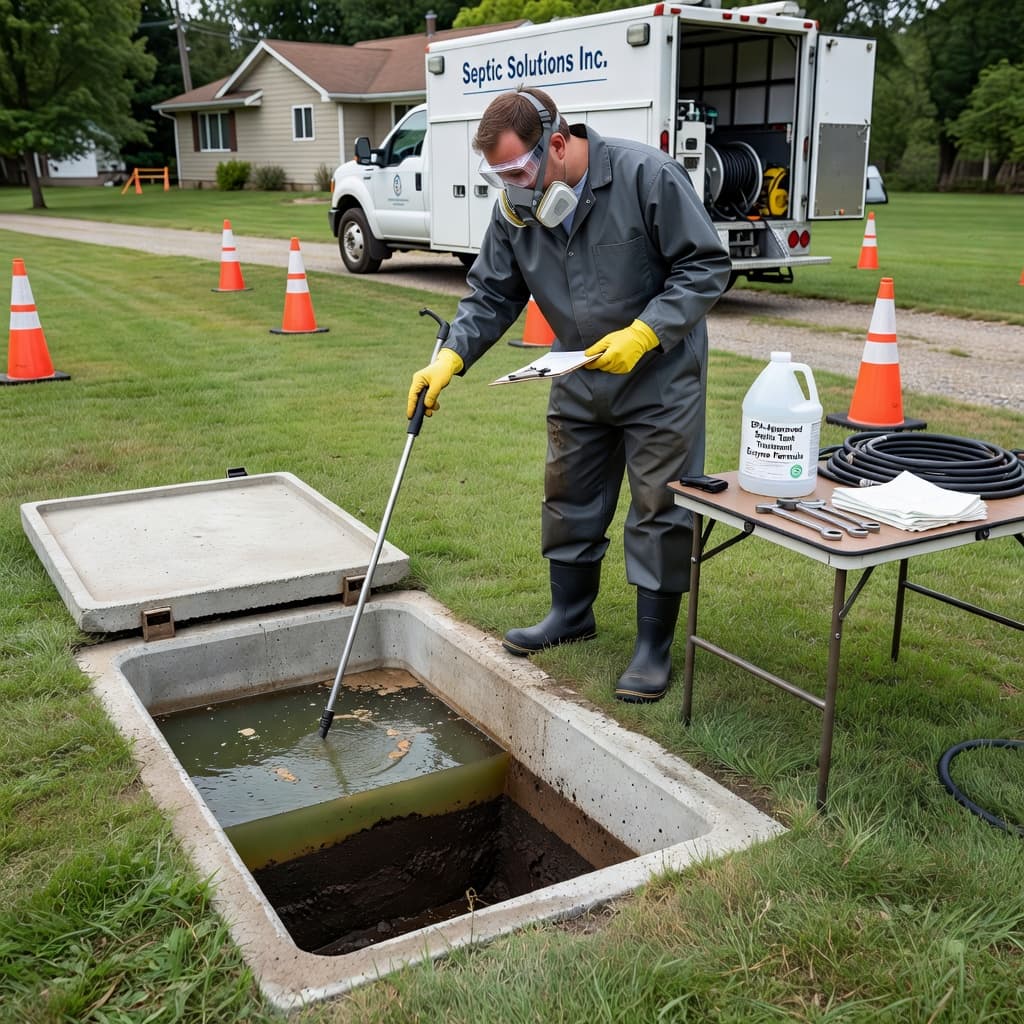
As soon as you notice any obvious indicators of failure, the wisest and most truthful course of action is to contact a septic professional. Establishing consistent practices and having quality professionals to help you maintain your system will minimize the chance of catastrophic failures keeping you awake at night.
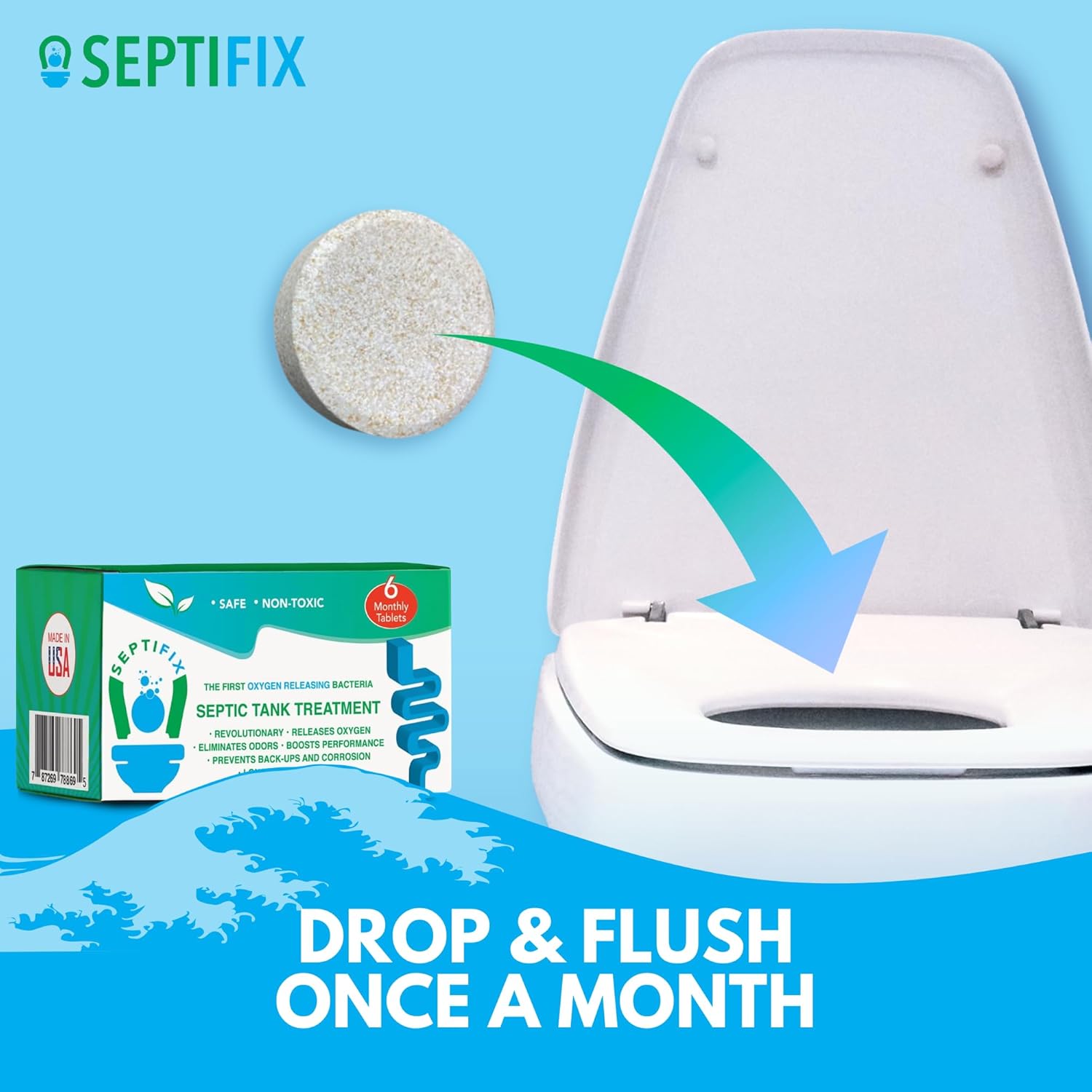
For an easy routine maintenance option, consider Septifix to support your septic system between scheduled inspections and pump-outs.
Affiliate Disclaimer
Some links in this article may be affiliate links. If you click a link and make a purchase, we may earn a small commission at no additional cost to you.
We only recommend products and services that may be useful for septic system maintenance and care. Affiliate relationships do not affect the information or recommendations in this article.
Septic Tank Shock Treatment FAQs
Can a shock treatment fix a septic backup?
No. A product cannot diagnose or reliably fix a backup. The cause may be a full tank, blockage, damaged pipe, or drainfield problem. Reduce water use and contact a licensed septic professional, especially if sewage is coming into the home.
Can septic additives replace pumping?
No. Additives do not remove accumulated sludge and scum. Follow inspection and pumping guidance for your system and local requirements.
When might a bacterial additive help?
Some products may support biological activity, but most properly functioning household septic systems do not need routine additives. Check the product label and ask a septic professional before using a product to address a problem.
U.S. Septic System Resources
These U.S. government resources provide reliable information about septic tank additives, maintenance, and emergency problems. Local septic regulations may vary by state or county.
- EPA: Septic Tank Additives Fact Sheet
Explains why most residential septic systems do not need additives and how some products may cause harm. - EPA: Frequent Questions About Septic Systems
Answers common questions about septic treatments, additives, pumping, maintenance, and repairs. - EPA: Septic System Care and Maintenance
Covers proper water use, inspections, pumping, drain field protection, and items to keep out of the system. - CDC: Septic and Onsite Wastewater Systems
Provides safety guidance for septic systems affected by flooding, damage, or other emergencies. - CDC: Guidelines for Septic and Onsite Wastewater Systems After Flooding
Explains how to reduce risks and arrange professional inspections after flood damage.
Editorial note: These resources do not recommend chemical or bacterial shock treatments as a replacement for regular pumping, inspections, or professional repairs.
Related Posts



One thought on “Septic Tank Shock Treatments at Home: Gentle Fixes for a System in Trouble”